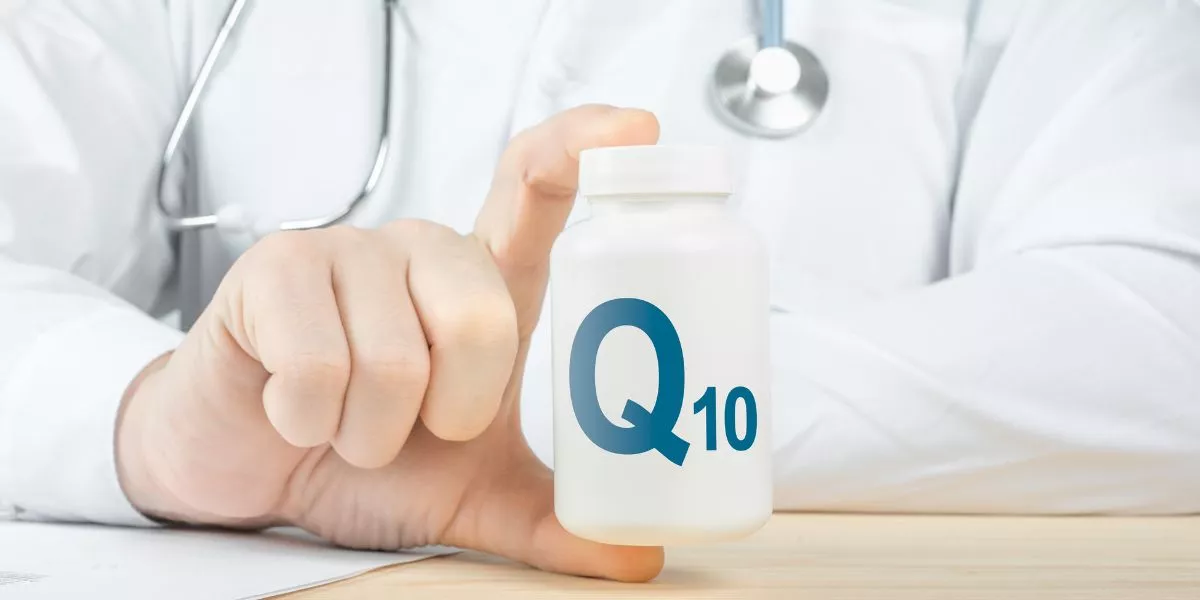
CoQ10 is essential for your heart health, as it helps produce the energy your heart needs to function effectively. As you age or if you take certain medications, your natural levels of CoQ10 may decrease, impacting your cardiovascular performance. Understanding how this nutrient affects your heart can be crucial, especially if you're concerned about maintaining optimal heart function. So, what benefits might CoQ10 supplementation offer you?
Understanding CoQ10 and Its Function in the Body
Although you mightn't have heard of it, CoQ10, or coenzyme Q10, plays a vital role in your body's energy production. This powerful antioxidant exists in every cell, helping convert the food you eat into usable energy.
By supporting mitochondrial function, CoQ10 ensures that your cells generate ATP, the energy currency your body relies on for various processes. You find CoQ10 in foods like meat, fish, and whole grains, but your body also produces it naturally.
As you age, however, production declines, which can impact your energy levels and overall health. Supplementing with CoQ10 can help restore those levels, enhancing your vitality and supporting cellular function.
Understanding CoQ10's role can empower you to take charge of your energy and well-being.
The Link Between CoQ10 and Heart Health
As you explore ways to enhance your heart health, understanding the connection between CoQ10 and cardiovascular function is crucial.
CoQ10, a powerful antioxidant, plays a vital role in energy production within heart cells. It helps generate adenosine triphosphate (ATP), the energy currency your heart needs to pump efficiently.
When levels of CoQ10 decline, often due to aging or certain health conditions, your heart may struggle to maintain optimal performance. Research indicates that adequate CoQ10 levels support healthy blood pressure and improve overall heart function.
Potential Benefits of CoQ10 Supplementation
If you're looking to bolster your heart health, CoQ10 supplementation might be worth considering. This powerful antioxidant helps produce energy in your cells, particularly in your heart.
By enhancing energy production, CoQ10 can support overall heart function, potentially leading to improved cardiovascular health. Research suggests it may help lower blood pressure and improve cholesterol levels, further benefiting your heart.
Additionally, CoQ10 might aid in reducing oxidative stress, which can damage heart tissues. You could also experience increased exercise performance, as it may improve endurance.
Who Should Consider CoQ10 Supplements?
CoQ10 supplements can be particularly beneficial for certain individuals. If you're taking statins for cholesterol, you might experience a decrease in CoQ10 levels, making supplementation a smart choice.
Those with heart conditions, such as congestive heart failure or coronary artery disease, may also benefit from increased CoQ10 to support heart function.
Additionally, if you're over 40, your natural CoQ10 production declines, so considering a supplement could help maintain your heart health.
Athletes or active individuals might use CoQ10 to enhance energy levels and improve recovery.
Lastly, if you're experiencing chronic fatigue or low energy, CoQ10 supplements may provide the boost you need.
Always consult your healthcare provider before starting any new supplement regimen.
Conclusion
In conclusion, CoQ10 is vital for maintaining heart health by boosting energy production and reducing oxidative stress. If you're concerned about your heart function, especially as you age or if you're taking statins, considering CoQ10 supplementation might be beneficial. It could support your cardiovascular performance and overall well-being. Always consult with a healthcare professional before starting any new supplement to ensure it's right for you. Your heart deserves the best care!
Trending Products