When it comes to cardiovascular health, understanding which vitamins and minerals are essential can make a significant difference. Each nutrient plays a specific role in supporting your heart and overall well-being. From regulating homocysteine levels to combating inflammation, the right vitamins and minerals can help maintain a healthy cardiovascular system. But which ones should you focus on most? Let's explore the key nutrients that can benefit your heart health.
The Role of Vitamins in Heart Health
Vitamins play a crucial role in maintaining heart health, and incorporating the right ones into your diet can make a significant difference.
Vitamin B6, for instance, helps regulate homocysteine levels, reducing your risk of heart disease. Vitamin B12 also supports red blood cell formation and keeps your heart functioning smoothly.
Don't overlook vitamin C, either; it's an antioxidant that combats oxidative stress and strengthens your blood vessels. Additionally, vitamin D plays a part in reducing inflammation and may lower your risk of heart issues.
If you're not getting enough of these essential vitamins, consider adding foods like leafy greens, nuts, and fish to your meals. Prioritizing these vitamins can help you maintain a healthier heart.
Essential Minerals for Cardiovascular Support
While you may focus on vitamins for heart health, essential minerals are equally important for cardiovascular support.
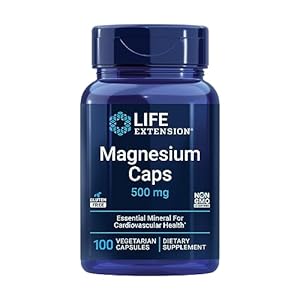
Magnesium, for instance, helps regulate blood pressure and supports muscle function, including your heart. Potassium plays a crucial role in maintaining fluid balance and preventing hypertension, while calcium is vital for proper heart contractions. Together, these minerals help ensure your cardiovascular system operates efficiently.
Additionally, selenium acts as an antioxidant, protecting your cells from damage, and zinc supports overall heart function. Incorporating these essential minerals into your diet can significantly enhance your heart health.
Dietary Sources of Heart-Healthy Nutrients
To support your heart health effectively, it's essential to know where to find the nutrients your body needs. Incorporate leafy greens like spinach and kale for their rich vitamin K and fiber content.
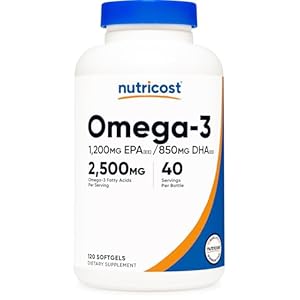
Fatty fish, such as salmon and mackerel, provide omega-3 fatty acids that lower inflammation and support heart function. Nuts and seeds, particularly walnuts and flaxseeds, are excellent sources of healthy fats and magnesium.
Don't forget fruits like berries and oranges, packed with antioxidants and vitamins that combat oxidative stress. Whole grains, including oats and quinoa, contribute vital fiber that aids in cholesterol management.
Tips for Ensuring Adequate Nutrient Intake
Making sure you get enough heart-healthy nutrients can be straightforward with a few practical strategies.
Start by incorporating a variety of colorful fruits and vegetables into your meals; they're packed with essential vitamins and minerals.
Opt for whole grains like brown rice and quinoa, which provide fiber and help lower cholesterol.
Don't forget about healthy fats—add sources like avocados, nuts, and olive oil for extra nutrients.
Planning meals ahead of time can help you stay on track and avoid unhealthy choices.
Also, consider consulting a nutritionist for personalized advice.
Lastly, keep yourself hydrated; sometimes thirst can mask hunger, leading to missed nutrient opportunities.
With these tips, you can easily boost your cardiovascular health!
Conclusion
Incorporating the right vitamins and minerals into your diet is essential for maintaining cardiovascular health. By focusing on nutrients like B6, B12, C, and D, along with key minerals such as magnesium and potassium, you can support your heart function and overall well-being. Eating a balanced diet rich in leafy greens, fatty fish, and whole grains will help you get these vital nutrients. Take charge of your heart health today by making mindful food choices!
Trending Products