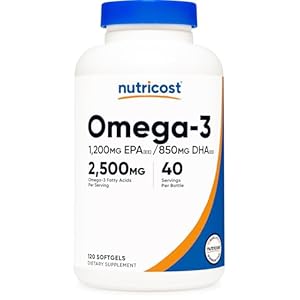
You might be wondering if omega-3 supplements can truly enhance your heart health. Recent studies suggest they play a significant role in lowering triglycerides and reducing inflammation, which are crucial for cardiovascular wellness. But how effective are these supplements compared to natural food sources? Understanding the science behind omega-3s can help you make informed choices. Let's explore what the research says and how you can easily incorporate these essential fatty acids into your daily routine.
Understanding Omega-3 Fatty Acids and Their Sources
When you think about heart health, omega-3 fatty acids play a crucial role in maintaining it. These essential fats are vital for your body, as it can't produce them on its own.
You can find omega-3s in various sources, primarily in fatty fish like salmon, mackerel, and sardines. If you're not a fan of fish, consider plant-based options such as flaxseeds, chia seeds, and walnuts.
These sources provide ALA, a type of omega-3 that your body can convert, albeit inefficiently, to the more beneficial forms, EPA and DHA. Incorporating these foods into your diet can help support your heart health, improve cholesterol levels, and reduce inflammation, making them a smart addition to your nutrition plan.
The Science Behind Omega-3s and Heart Health
Understanding how omega-3 fatty acids impact heart health can empower you to make informed dietary choices.
These essential fats, primarily found in fish oil and certain plant sources, play a crucial role in reducing inflammation and improving overall cardiovascular function. Omega-3s help lower triglyceride levels, which can decrease your risk of heart disease.
They also promote healthy blood vessel function, supporting optimal blood flow and lowering blood pressure. Furthermore, omega-3s can stabilize heart rhythms, reducing the likelihood of arrhythmias.
Incorporating omega-3-rich foods or supplements into your diet may contribute to better heart health and overall well-being. By understanding the science behind omega-3s, you can take proactive steps toward maintaining a healthier heart.
Current Research Findings on Omega-3 Supplements
As recent studies continue to emerge, the evidence supporting the benefits of omega-3 supplements for heart health becomes increasingly compelling.
Research shows that these supplements can significantly lower triglyceride levels, which is crucial for reducing the risk of heart disease. In addition, some studies suggest that omega-3s may help decrease blood pressure and improve overall heart function.
A meta-analysis also highlighted that regular consumption of omega-3s is linked to a lower risk of heart attacks and strokes. While the optimal dosage varies, many experts recommend a daily intake of around 1,000 milligrams.
How to Incorporate Omega-3s Into Your Diet
Incorporating omega-3s into your diet can be both simple and enjoyable, especially if you start by adding a few key foods.
Consider including fatty fish like salmon, mackerel, and sardines in your meals a couple of times a week. If you're not a fan of fish, try walnuts, chia seeds, or flaxseeds as tasty alternatives. You can sprinkle these seeds on yogurt or blend them into smoothies.
Additionally, look for omega-3 enriched eggs or dairy products for an easy boost. Don't forget to experiment with cooking methods—grilling or baking fish can enhance flavor without losing nutrients.
Conclusion
Incorporating omega-3 supplements into your daily routine can be a simple yet effective way to boost your heart health. By understanding the benefits and sources of these essential fatty acids, you can make informed choices that support your cardiovascular wellness. With consistent intake, whether through supplements or omega-3-rich foods, you're taking a proactive step toward reducing your risk of heart disease. So, why not start today and prioritize your heart's well-being?
Trending Products