Recognizing high cholesterol can be tricky since it often doesn't show clear symptoms. You might notice subtle signs, like yellowish patches around your eyes or a white ring around your cornea. These could indicate fat deposits linked to cholesterol levels. But what else should you be aware of? Understanding the full picture is essential for your health and could lead to important changes. Let's explore the signs and what they might mean for you.
Understanding Cholesterol and Its Types
Cholesterol, a waxy substance found in your blood, plays a crucial role in your body's function. It helps build cell membranes, produce hormones, and synthesize vitamin D.
There are two main types of cholesterol: low-density lipoprotein (LDL) and high-density lipoprotein (HDL). LDL is often referred to as "bad" cholesterol because it can lead to plaque buildup in your arteries, increasing your risk of heart disease.
On the other hand, HDL is considered "good" cholesterol since it helps remove LDL from your bloodstream. Maintaining a healthy balance between these two types is vital for your overall health.
Regular check-ups can help you monitor your cholesterol levels and take necessary actions to keep them in check.
Common Risk Factors for High Cholesterol
Several factors can increase your risk of having high cholesterol, making it essential to be aware of them.
One major factor is your diet; consuming saturated fats, trans fats, and cholesterol-rich foods can raise your levels. Lack of physical activity also plays a role, as regular exercise helps manage cholesterol.
If you're overweight or obese, that can further elevate your risk. Genetics is another significant factor; if high cholesterol runs in your family, you might be more susceptible.
Additionally, age and gender matter—cholesterol levels often rise as you get older, and men typically have higher levels earlier in life.
Lastly, certain medical conditions, like diabetes, can contribute to high cholesterol levels, so keep these factors in mind.
Potential Physical Signs of High Cholesterol
If you're concerned about your cholesterol levels, recognizing potential physical signs can be crucial.
While high cholesterol often doesn't present obvious symptoms, some indicators may signal an issue. You might notice yellowish patches around your eyes or on your skin, known as xanthomas, which can indicate fat deposits related to high cholesterol.
Additionally, if you see a white ring around your cornea, it could suggest elevated cholesterol levels. Shortness of breath or chest pain can also occur, especially during physical activity, hinting at heart strain.
The Importance of Regular Health Check-Ups
Regular health check-ups are essential for maintaining your overall well-being, as they help catch potential issues before they escalate.
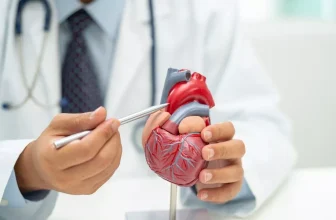
During these visits, your doctor can monitor your cholesterol levels and other vital health markers.
If you don't get regular check-ups, you might miss early warning signs of high cholesterol, which can lead to serious health problems like heart disease.
Conclusion
In conclusion, recognizing high cholesterol can be tricky since it often shows no obvious symptoms. However, being aware of physical signs like xanthomas and a white ring around the cornea can help you stay alert. Don't ignore symptoms like shortness of breath or chest pain, as they could indicate heart strain. Regular check-ups are essential for monitoring your cholesterol levels, so make it a point to prioritize your health and stay proactive in managing your cholesterol.
Trending Products