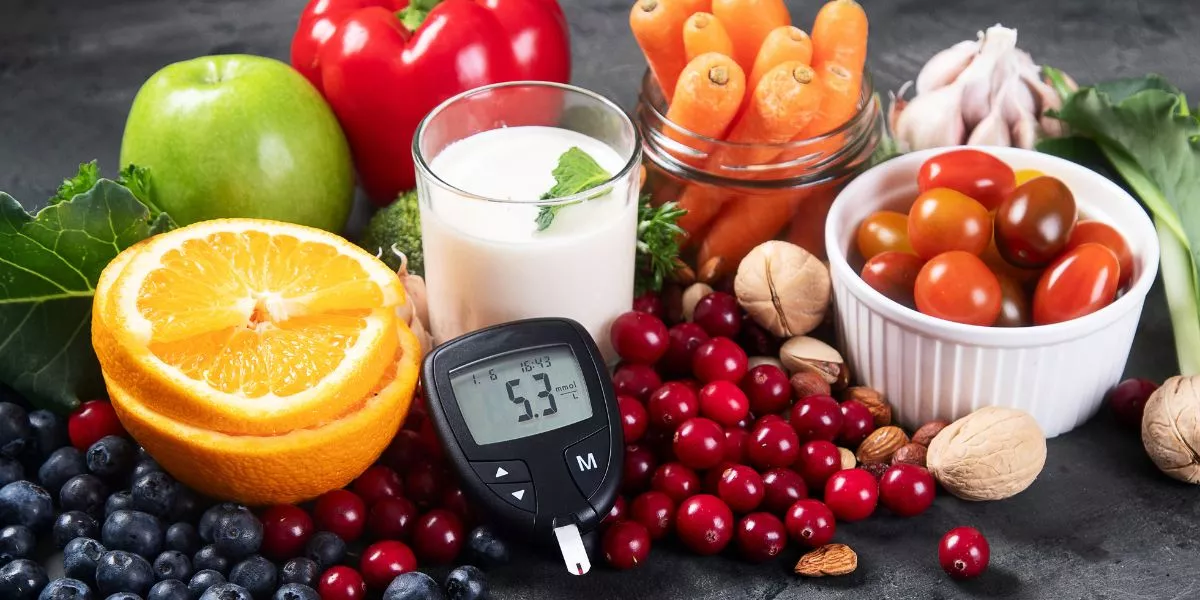
When it comes to cholesterol, you might have heard terms like "good" and "bad" being thrown around. Understanding the difference is crucial for your heart health. Good cholesterol, or HDL, helps protect your arteries, while bad cholesterol, or LDL, can lead to serious health issues. But how do these two types of cholesterol really affect your body? Let's explore their roles and what you can do to maintain a healthy balance.
Understanding Cholesterol: The Basics
Cholesterol is a waxy substance that's essential for your body, playing a key role in building cells and producing hormones. You may not realize it, but your body produces all the cholesterol it needs, mainly in the liver.
However, you also get cholesterol from certain foods, like meat, dairy, and eggs. Cholesterol travels through your bloodstream in lipoproteins, which are combinations of fat and protein.
There are two main types: low-density lipoprotein (LDL) and high-density lipoprotein (HDL). LDL is often labeled as "bad" cholesterol because it can lead to plaque buildup in your arteries, increasing your risk of heart disease.
Understanding these basics helps you make informed choices about your diet and overall health.
The Role of Good Cholesterol (HDL)
High-density lipoprotein (HDL) plays a crucial role in maintaining heart health. Often called "good cholesterol," HDL helps remove excess cholesterol from your bloodstream, transporting it to the liver for disposal.
This process reduces the risk of plaque buildup in your arteries, which can lead to heart disease. When you maintain higher levels of HDL, you're essentially giving your heart a protective shield.
Regular exercise, a balanced diet rich in healthy fats, and avoiding tobacco can boost your HDL levels. Incorporating foods like avocados, olive oil, and fatty fish into your meals is beneficial too.
The Role of Bad Cholesterol (LDL)
Low-density lipoprotein (LDL) is often labeled as "bad cholesterol" for a reason. It carries cholesterol from your liver to your cells, but when there's too much LDL in your bloodstream, it can lead to plaque buildup in your arteries.
This plaque narrows the arteries and can restrict blood flow, increasing your risk of heart disease and stroke. High levels of LDL can result from various factors, including poor diet, lack of exercise, and genetics.
You mightn't feel any symptoms, making it crucial to monitor your cholesterol levels through regular check-ups. By understanding the role of LDL, you can make informed choices about your health and take steps to reduce its levels in your body.
Tips for Managing Cholesterol Levels
Managing your cholesterol levels is essential for maintaining heart health, especially if you have high LDL. Start by adopting a heart-healthy diet rich in fruits, vegetables, whole grains, and lean proteins. Limit saturated and trans fats often found in processed foods.
Regular exercise can also help; aim for at least 150 minutes of moderate activity each week. Don't underestimate the power of weight management—losing even a small amount can improve your cholesterol.
Consider quitting smoking and reducing alcohol intake, as both can negatively impact your heart health. Lastly, keep up with regular check-ups to monitor your cholesterol levels and consult your doctor about any necessary medications.
Making these changes can lead to significant improvements in your cholesterol and overall health.
Conclusion
In summary, understanding the difference between good cholesterol (HDL) and bad cholesterol (LDL) is vital for your heart health. By focusing on increasing HDL levels while managing LDL, you can significantly reduce your risk of heart disease and stroke. Remember to make healthier lifestyle choices, like eating a balanced diet and staying active, to keep your cholesterol levels in check. Your heart will thank you for it!
Trending Products